"Lead management software" can mean something different depending on who's using it. That affects which platform is best for which use case. Here's the breakdown.

One Term, Five Problems
"Lead management software" is one of those category labels that means different things to different people. A call center ops manager, a B2B marketing director, and a lead generation company could all search that phrase and need completely different tools. CRMs, marketing automation platforms, dedicated lead management systems, and lead distribution software all get filed under the same heading, sometimes by vendors, and sometimes by buyers who aren't yet sure what they need.
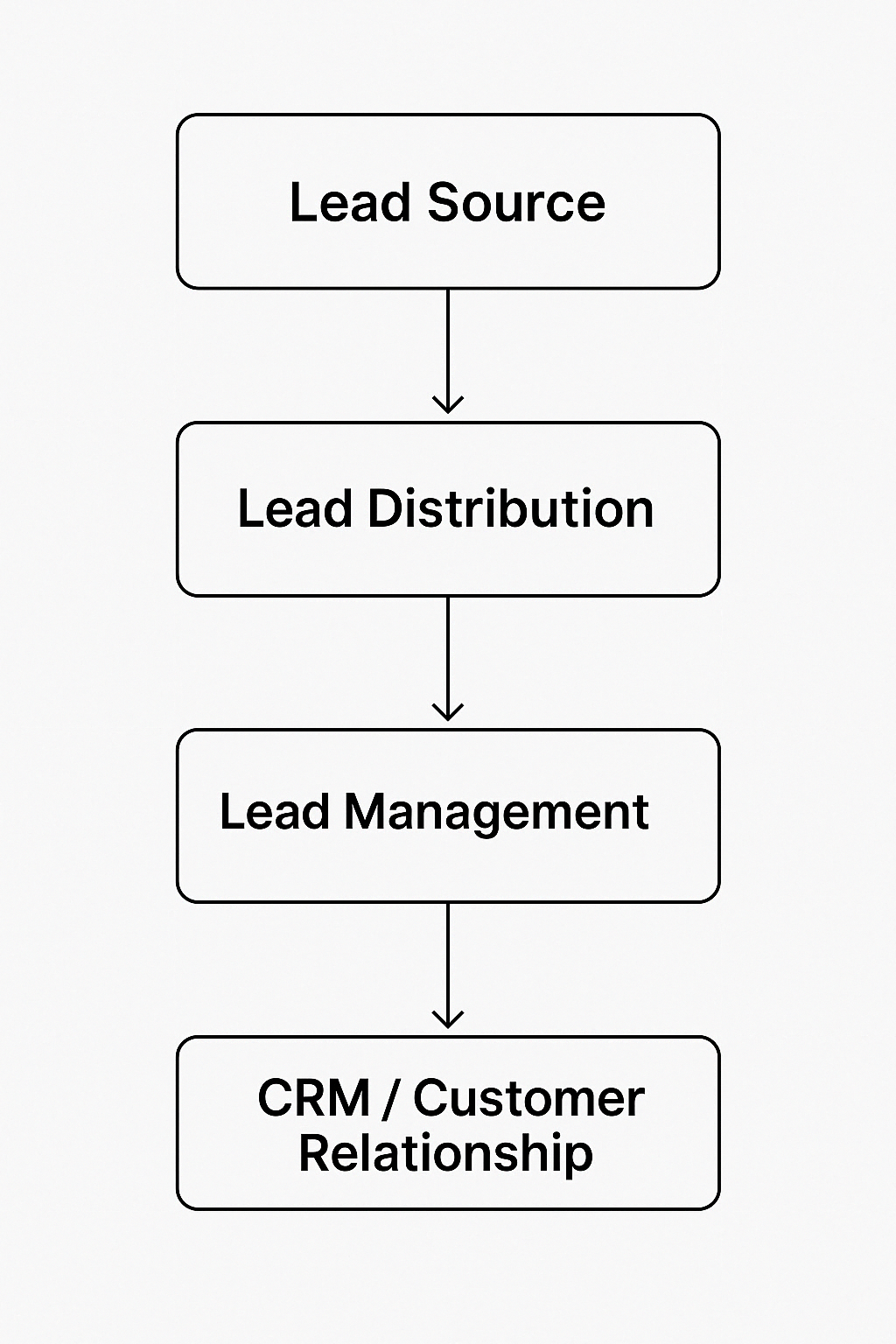
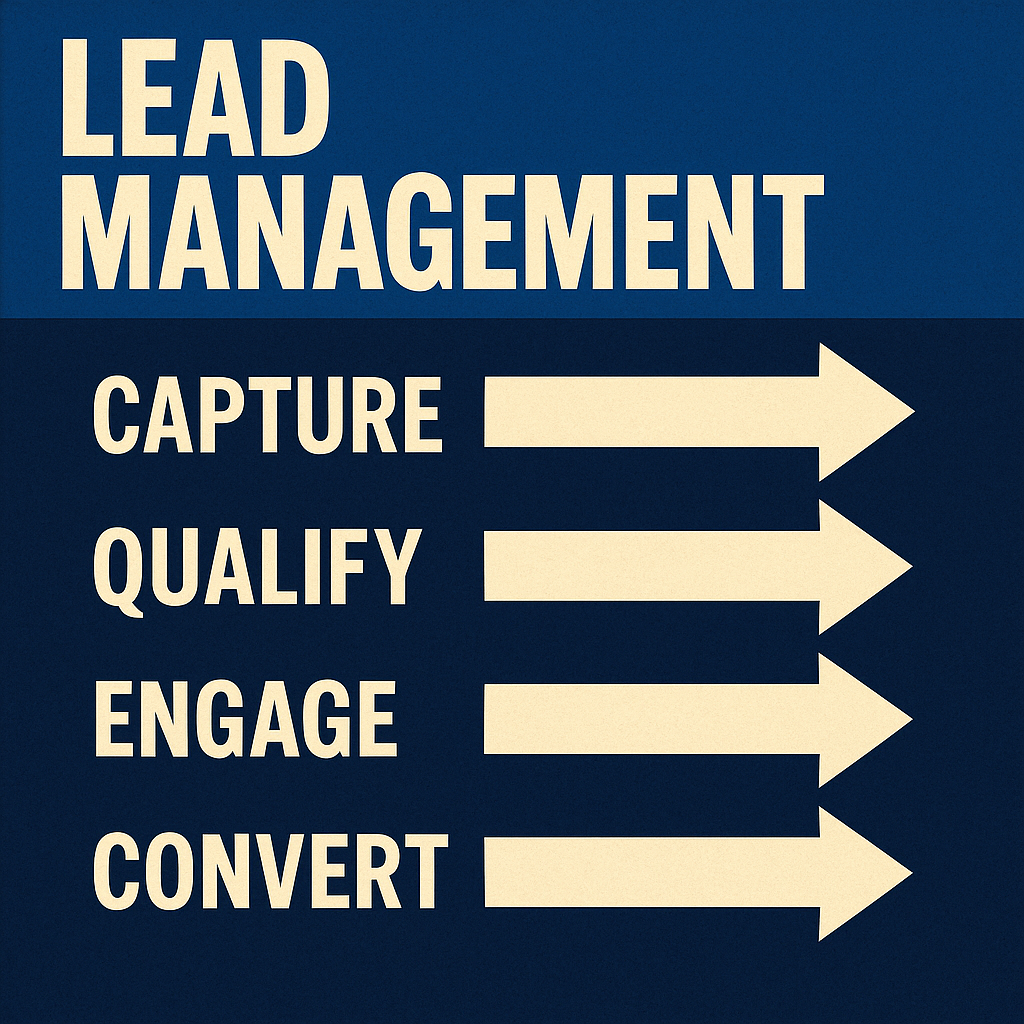
The right lead management software depends on what you do with leads. A call center optimizing contact rate has different requirements than a B2B marketing team running a long nurture cycle, or a lead generator routing volume to external buyers. For a full breakdown of the category (lead capture, scoring, nurturing, distribution, and sales engagement), this guide covers the fundamentals.
Key lead management features include:
- Lead capture and form integration
- Scoring and prioritization
- Communication automation (email, SMS, calls)
- Pipeline and activity tracking
- Lead distribution and routing
Top Lead Management Software by Category

1. Best for High-Volume B2C Lead Management and Call Centers
SalesExec by ClickPoint Software
Why it’s the best:
SalesExec isn't a CRM with lead management features, it's a truly dedicated lead management platform.
SalesExec is a purpose-built lead management platform, designed specifically for speed-to-lead operations rather than adapted from a CRM. For high-volume sales teams running inbound and outbound programs, that distinction matters. SalesExec integrates seamlessly with existing CRMs and automates lead prioritization, distribution, and follow-up without requiring heavy admin overhead.
Pull-based lead distribution is the core of how it works. Agents claim leads from a prioritized pool rather than having leads pushed to them, which improves accountability and contact rates in ways that traditional assignment models don't. The built-in power dialer and real-time lead alerts keep that momentum from stalling between contacts, and multi-step cadences with SMS and email automation mean follow-up continues working even when agents are occupied elsewhere. TruGreen Sales Director Matt Zoller credited the platform directly: "Since working with ClickPoint, we have increased our digital sales by approximately 75%."
Pricing is seat-based and scales with team size. For current pricing, visit the SalesExec pricing page.
Best for: Enterprise call centers, field sales teams, home services, financial services, education, and insurance.

2. Best All-in-One CRM with Lead Management Features for B2B SMBs
HubSpot Sales Hub
Why it’s the best:
HubSpot built its reputation on inbound marketing, the idea that attracting and nurturing prospects through content, email, and automation is more effective than outbound pursuit. HubSpot is primarily a marketing automation and CRM platform, and one of the most widely adopted in the SMB market. Lead management features augment it, rather than define it.
Businesses that need lead management built into their CRM rather than as a standalone system will find HubSpot a natural fit. Inbound leads are captured from forms, landing pages, and chat, scored against custom criteria, and routed into pipelines where sequences, task automation, and email workflows handle follow-up. HubSpot’s Prospecting Agent also researches prospects and generates personalized outreach, extending its capabilities beyond inbound follow-up. For teams running a marketing-driven inbound motion where leads come in at manageable volume and sales follows up through a structured pipeline, that coverage is sufficient.
Volume and velocity is where HubSpot reaches its limit. The platform wasn't built for high-volume lead distribution, pull-based assignment, or contact-rate optimization. Teams where speed-to-lead is the primary performance metric need tooling built specifically for that job.
HubSpot pricing compounds as the platform grows. Sales Hub, Marketing Hub, and additional hubs are each priced separately with their own tiers and onboarding fees. Prospecting Agent uses HubSpot Credits, so its usage can add to subscription costs. For a full breakdown, visit HubSpot's pricing page.
Best for: SMBs and marketing-led sales teams running an inbound motion where leads are nurtured through a structured pipeline rather than distributed at volume.

3. Best for Enterprise B2B and Long-Cycle Sales
Salesforce Sales Cloud
Why it’s the best:
Salesforce is built for enterprise B2B sales: long cycles, multiple decision-makers, large deal values, and sales teams organized around accounts and territories. Complex deployments typically require a dedicated admin or consulting partner to configure the platform properly, and implementation timelines and costs reflect that complexity.
The industries where it dominates reflect that profile: enterprise SaaS, technology, financial services, manufacturing, and professional services. Salesforce has held the number one position in global CRM market share for thirteen consecutive years, with 20.0% of the market in 2025, according to IDC. Lead management in Salesforce is oriented around the lead-to-opportunity conversion process. Leads are captured, assigned through rules-based routing, and qualified before conversion into accounts and opportunities. With the required editions and licenses, Agentforce Engagement can automate email outreach, answer prospect questions, and connect qualified leads with sales reps.
That process is methodical and structured, built for deals that take months and involve multiple stakeholders, not leads that go cold in minutes.
For current pricing, visit Salesforce's pricing page.
Best for: Enterprise B2B organizations in SaaS, technology, financial services, manufacturing, and professional services with complex multi-stage sales processes and dedicated Salesforce administration.

4. Best for Small B2B Teams Without Lead Routing Needs
Pipedrive
Pipedrive is organized around pipeline visibility and deal progression. The visual pipeline gives reps and managers an immediate view of every deal across every stage, and the interface is straightforward enough that teams are up and running without a dedicated admin or lengthy implementation.
Incoming leads sit in Pipedrive’s Leads Inbox and can be assigned to reps through rules-based or round-robin distribution on eligible plans. Reps convert qualified leads into deals in the active pipeline, where configured automations can handle follow-up.
Mark Woodbury, Managing Director at Raincatcher, an M&A advisory firm, credited Pipedrive directly: "We've built our pipeline up to nearly $250 million total valuation with a team that's a similar size to the one we had 18 months ago."
For current pricing, visit Pipedrive's pricing page.
Best for: Small B2B sales teams, startups, and freelancers that need a clean, manageable pipeline without administrative complexity.

5. Best CRM for B2C Customer and Relationship Management
Zoho CRM
Why it’s the best:
Zoho CRM serves both B2B and B2C businesses, with multichannel tools for managing the full customer lifecycle. The businesses that fit Zoho best have customer relationships that extend well beyond the first sale. An insurance agency managing renewals, cross-sells, and policy changes across a large book of business. A real estate operation tracking buyers and sellers through a months-long process. A retail or service business running re-engagement campaigns to an existing customer base. Phone, email, SMS, and chat are all managed from a single interface, and Zoho's workflow engine handles the automation that keeps those relationships active without manual follow-up overhead.
Valeria Grinberg, Marketing Coordinator at NetReputation, reported that after implementing Zoho CRM her team increased daily emails sent from between 30 and 40 per day up to approximately 150, directly improving their connection rate and overall sales performance.
For current pricing, visit Zoho's pricing page.
Best for: B2C businesses in insurance, real estate, retail, and service industries managing ongoing customer relationships across multiple communication channels.

Bonus: Best for Lead Distribution & Routing
When You Need More Than Lead Management
Lead distribution software handles a different problem than lead management: routing leads to the right destination rather than converting them. Lead distribution platforms focus on the logistics of that routing: ping-post delivery, advanced rule-based routing, volume controls, consent tracking, and integrations with downstream systems. This is the layer that matters for lead generators, aggregators, and businesses routing high volumes across multiple sources and buyers.
LeadExec by ClickPoint Software (Used alongside your CRM or lead manager)
Who should use it:
For businesses receiving leads from landing pages, third parties, or affiliate networks that need to distribute them to sales agents or buyers, LeadExec handles the routing layer that CRMs and lead management platforms weren't built to manage. Real-time ping-post and HTTP delivery, rule-based routing by location, tier, vertical, or custom criteria, and TCPA-compliant consent tracking are all built in. Leads route seamlessly to SalesExec, Salesforce, HubSpot, or any downstream system, with reporting and performance monitoring across the full distribution operation.
A free tier is available for teams getting started: up to 250 leads per month and 10,000 pings per month, including lead capture, validation, routing, and integrations with Stripe and Zapier, with no setup fee or time limit. For current pricing on higher volumes and advanced features, visit the LeadExec pricing page.
Best for: Lead generation companies, franchises, agencies, performance marketers, and distributed sales organizations.
How to Choose the Right Platform
The clearest starting point is the lead itself. High-velocity B2C operations in home services, insurance, mortgage, and education where contact rate drives revenue are built for SalesExec. B2C businesses managing ongoing customer relationships across an owned database fit Zoho. B2B SMBs running inbound marketing programs fit HubSpot. Complex enterprise B2B sales in technology, financial services, and manufacturing where deals involve multiple stakeholders and months-long cycles are where Salesforce excels. Small B2B teams that need pipeline clarity without routing infrastructure are well served by Pipedrive.
Lead distribution is a separate question. If leads are coming from third-party sources and need to be routed to agents or buyers before any CRM or lead management platform touches them, LeadExec handles that layer independently of whichever platform sits downstream.
Written by Anders Uhl, Chief Marketing Officer at ClickPoint Software. ClickPoint makes SalesExec and LeadExec, both of which appear in this guide and are evaluated alongside third-party platforms on the basis of use case fit. Uhl has used HubSpot in a marketing capacity and draws on direct platform experience in this evaluation.