Lead Distribution
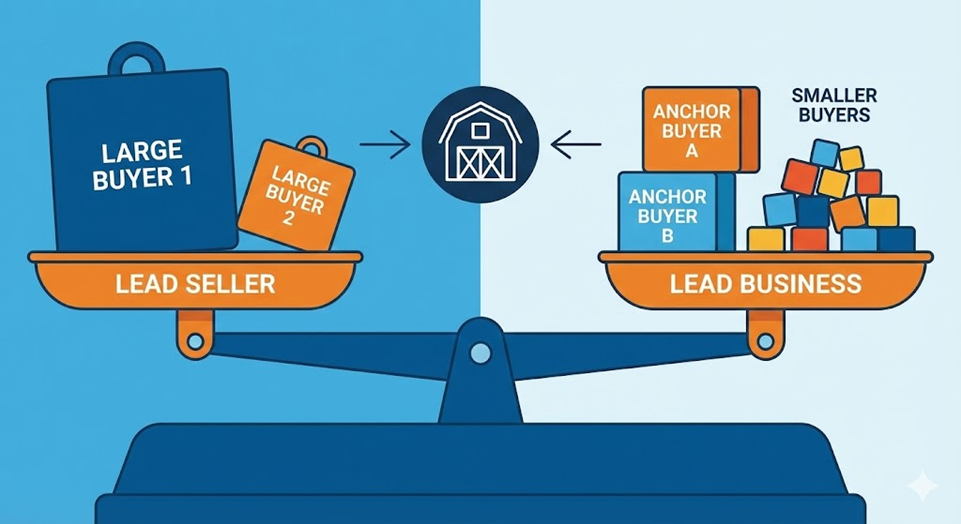
The Difference Between a Lead Seller and a Lead Business
Most companies that sell leads believe they are running a business.
Blog Author

Gabe Buck is the founder and CEO of ClickPoint Software. With nearly two decades of experience solving lead distribution, lead management and sales conversion challenges, Gabe has helped companies in mortgage, solar, education, and home services close the gap between marketing and sales. Through ClickPoint’s platforms - LeadExec and SalesExec - he delivers scalable, compliant solutions that drive real ROI for lead providers and buyers.
Most companies that sell leads believe they are running a business.
Most lead sellers think they are in a marketing business.
Whether you buy or sell leads, keeping fraudulent leads out of your lead distribution is a big part of a sound lead generation strategy. Nothing kills a reputation quicker or makes clients run faster than passing along fraudulent leads.
Better lead quality means improved sales performance and reduced Cost Per Acquisition for your leads.
It takes an average of 8 attempts to reach a lead and a well-informed salesperson with a bulletproof sales script to close a deal. Let’s define and improve your outbound sales process.
Different types of motivation can help your sales team climb mountains, break through roadblocks, and beat any challenge. I often hear from sales managers that they need to give their salespeople a good kick every once in a while or have to scare the team to get results. If you have the proper foundation, scare tactics will never be needed to motivate your team. You might be able to use a scare tactic a few times, but it's not sustainable. Lay the proper foundation for sales success, and your team will pay you back over the long term for years to come. Here are 5 ways to motivate your team with sustainable motivation tactics.
Looking back to 2019, it seems unreal. Nothing compares to the series of unfortunate events that unfolded in the last few years. As an executive or salesperson, this period presented challenges that we need to confront with equal force to succeed. This article tackles the challenges we face and how we can meet these challenges head-on.
Alignment between marketing and sales is crucial for organizations that want to drive success in a rapidly changing, customer-centric sales environment. This guide provides tips to align your marketing and sales teams, providing a unified message that resonates with prospects throughout the customer journey.
Trust networks and social proof can mean the difference between staggered growth and long-term business success. Potential customers share their experiences with your company with their friends, co-workers, and inner circles through social media, in-person conversations, and tradeshows. Understanding the connectedness of our society can help you think about implementing a plan that borrows from the viral nature of interpersonal relationships and communication.
Friction in sales is anything that impedes the flow of reaching a deal. That could be a flaw in your product offering, poor messaging in your marketing campaigns and sales pitches, or something much less obvious.
How to Implement Best Practices for Buying Leads Buying leads is an important consideration in any lead generation strategy. Whether your sales process is fed entirely by purchased leads, or they supplement internal lead gen programs, it's critical to understand how to get the most value from lead buying.
Create a mutually beneficial customer relationship by showing empathy and asking meaningful questions to align with your prospect's goals.